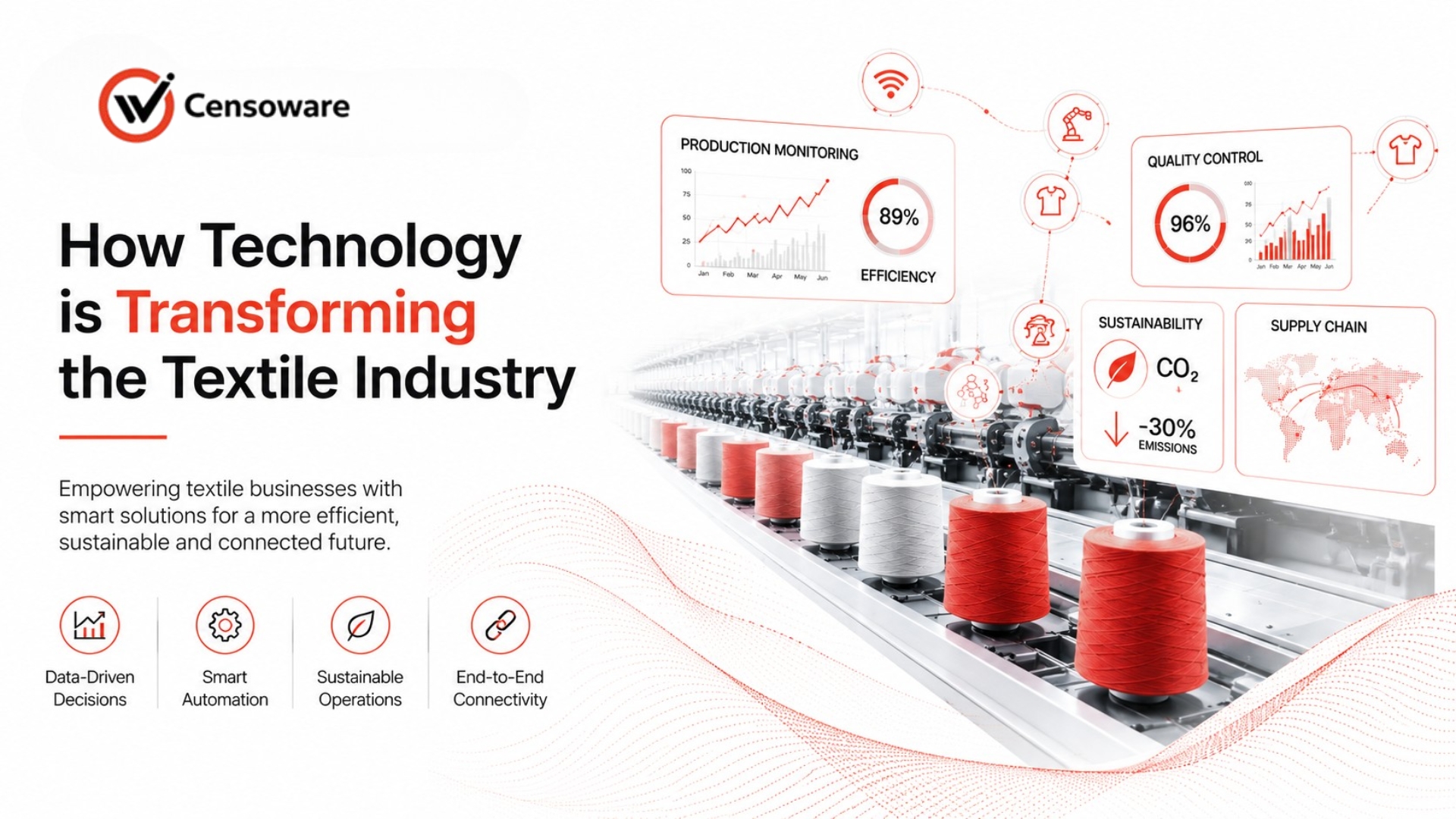
How Technology is Transforming the Textile Industry
A practical guide to understanding the digital shift in the textile industry from automation and AI to sustainable manufacturing and smart fabrics.
- Introduction
- What Textile Technology Means
- 8 Ways Technology is Reshaping the Textile Landscape
- Real-World Case Studies from India
- Challenges and Implementation Roadmap
- Frequently Asked Questions
The textile industry, once dominated by manual labor and traditional machinery, is experiencing a seismic shift driven by cutting-edge technology. From sprawling factories in India and Bangladesh to high-end fashion houses in Europe, businesses are adopting digital tools to boost efficiency, cut costs, and meet rising demands for sustainability. This transformation isn't just about faster machines; it's about creating intelligent systems that predict trends, minimize waste, and produce fabrics that interact with the world around them.
In India alone, where textiles contribute over 5% to GDP and employ millions, technology adoption is accelerating due to GST compliance needs, export pressures, and consumer shifts toward eco-conscious products. Companies ignoring this digital wave risk obsolescence, while early adopters report 20-40% productivity gains.
What Textile Technology Means, and Why It Matters Now
Textile technology encompasses the fusion of AI, robotics, IoT sensors, advanced materials, and data analytics to revolutionize every stage of production from raw fiber processing to final garment assembly.
Historically, the sector relied on labor-intensive methods prone to inconsistencies, high waste (up to 15-20% in cutting and dyeing), and long lead times. Modern tech introduces precision engineering, where machines self-correct errors and algorithms optimize resource use.
Why it matters in 2026: Global supply chain disruptions, stricter environmental regulations, and fast-fashion cycles demand agility. Technology delivers real-time visibility, enabling manufacturers to pivot quickly, which is vital for India's textile hubs like Tirupur and Surat.
8 Ways Technology is Reshaping the Textile Landscape
Here's a deep dive into the core innovations driving this revolution, with practical implications for businesses of all sizes.
1. Automation in Production Lines
Robotic arms, automated looms, and conveyor systems handle weaving, knitting, cutting, and sewing with micron-level precision, operating 24/7 without fatigue. In traditional setups, a single garment might pass through 20-30 manual stations; automation condenses this to 5-7, slashing cycle times by 50%.
Vision systems with AI detect defects like loose threads or color mismatches in real-time, rejecting faulty pieces before they advance, reducing rework by up to 70%. For Indian SMEs, affordable modular robots from vendors like ABB or local players make entry feasible at ₹10-20 lakhs per unit.
2. AI-Driven Design and Trend Prediction
AI platforms like those from Heuritech or custom tools analyze social media, runway shows, and sales data to forecast trends months ahead, with 85-90% accuracy. Designers input sketches; AI generates variations, simulates drapes, and suggests sustainable fabric alternatives.
This democratizes high-end design for mid-tier brands. A Surat weaver can now create bespoke collections for international buyers, cutting design time from weeks to hours and enabling "design-on-demand" models.
3. Sustainable Material Science Innovations
Bio-engineered fibers from renewable sources like algae-based textiles or recycled PET from ocean plastic are produced via enzymatic processes that use 90% less water than cotton. Closed-loop dyeing recycles 95% of water and chemicals, addressing the industry's 20% share of global industrial water pollution.
In India, government incentives for green tech are pushing adoption; companies like Reliance Industries are scaling mycelium leather (mushroom-based) for upholstery, which biodegrades in 45 days versus 200+ years for synthetics.
4. Smart Textiles with Embedded Tech
E-textiles integrate conductive yarns, sensors, and microchips for functions like UV protection, temperature regulation, or health monitoring - think shirts tracking heart rate for athletes. Piezoelectric fibers harvest energy from movement to power wearables, eliminating batteries.
Applications span defense (flame-resistant gear), healthcare (wound-monitoring bandages), and fashion (color-changing fabrics via thermochromic inks). Market projections hit $5 billion by 2028, with Asia leading production.
5. Digital Printing and Mass Customization
Inkjet printers apply designs directly to fabric, bypassing screens and setups ideal for short runs of 50-500 units with zero waste. Speed: 100 meters/hour, versus 20-30 for rotary printing.
Brands like Zara use this for hyper-localized prints (e.g., regional motifs for Diwali collections), reducing inventory by 30% and enabling "made-to-order" via apps where customers upload designs.
6. Supply Chain Tracking and IoT
IoT tags on yarn spools track humidity, location, and quality from farm to factory, integrating with ERP systems for predictive restocking. Blockchain verifies ethical sourcing, crucial for EU exports under new green laws.
A Tirupur mill using RFID cut stockouts by 40%, and shrinkage tracking improved yield by 12%, directly boosting margins.
7. 3D Weaving and Rapid Prototyping
3D knitting machines create seamless garments without cutting/sewing waste, using CAD software for virtual fit tests. Prototypes in hours, not days: Nike's 3D Flyknit shoes save 60% material.
For Indian knits, this means exporting zero-waste activewear, aligning with "Make in India" goals.
8. Data Analytics for Quality Control
Big data platforms monitor machine health, predict breakdowns (via vibration sensors), and optimize energy use, saving 15-25% on utilities. Predictive analytics flags quality dips early, ensuring 99% first-pass yields.
Real-World Case Studies from India
- Raymond Ltd.: Implemented AI looms and IoT, boosting output 35% while cutting energy 20%. Their smart suiting line now features moisture-wicking tech.
- Arvind Mills: Digital printing scaled denim customization, reducing lead times from 90 to 30 days and entering athleisure markets.
- Small-Scale Success: A Coimbatore dyeing unit adopted closed-loop tech, slashing water use 80% and winning export contracts.
Challenges and Implementation Roadmap
- High Costs: Entry-level automation: ₹50 lakhs-2 crores; ROI in 18-24 months via labor savings (30-50%).
- Skills Gap: Upskill via ITIs or vendor training; hybrid roles blending textile knowledge with basic coding command 20-30% premiums.
- Integration Hurdles: Choose modular tech compatible with Tally/GST software; pilot one line first.
- Roadmap: Assess needs → Vendor demos → 3-month pilot → Scale with training.
Questions to Ask Technology Vendors: Ensure they offer post-installation support, system integration, and clear ROI timelines.
Frequently Asked Questions
Is tech affordable for small textile units?
Yes, start with cloud-based design tools (₹5,000/month) or basic automation (₹10 lakh). Scale as ROI materializes.
How much waste reduction is realistic?
15-30% initially, up to 50% with full digital integration.
What's the ROI timeline?
12-24 months for most; faster in high-volume ops.
Does it comply with Indian regulations?
Top vendors ensure GST/HSN mapping and e-way bill integration.
Future trends to watch?
Bio-fabrics, AI ethics, and 5G-enabled factories by 2027.
Ready to Transform Your Textile Operations?
The textile industry's future belongs to those embracing technology today. From automation slashing costs to smart fabrics opening new revenue streams, the opportunities are immense. Indian businesses, leverage your scale and government schemes. Start with a tech audit, partner wisely, and watch your operations evolve into a competitive powerhouse.
Censoware helps businesses leverage technology to transform their operations. Talk to our team to discover how you can drive your business growth.